
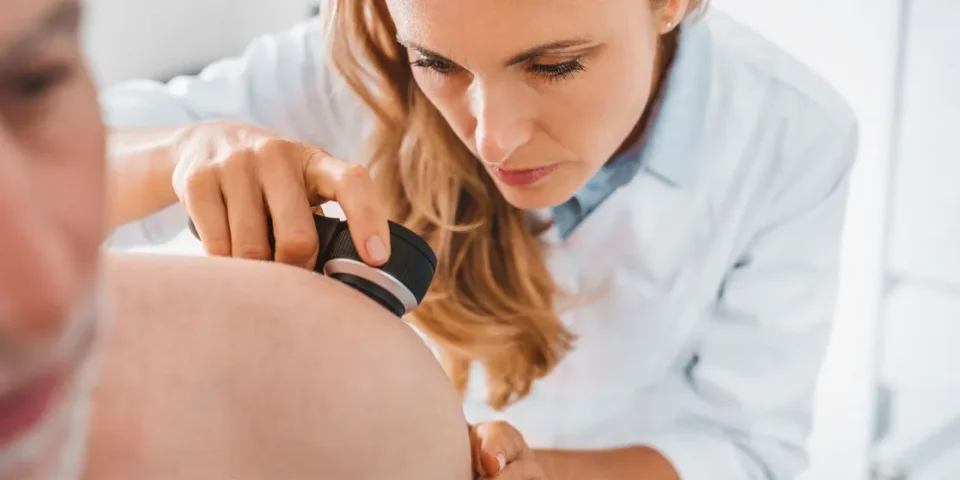
I used to think skin cancer was something that happened to other people. I wore sunscreen on beach days and avoided tanning beds, but I never really checked my moles. It wasn’t until my wife pointed out a small, irregular spot on my shoulder that I considered getting it looked at. I shrugged it off for a year. It didn’t hurt, and I told myself it hadn’t changed much. But one day, I noticed it had become darker, almost black. That’s when I scheduled an appointment with a skin cancer dermatology specialist in Greeley.
From the first visit, I could tell I was in good hands. The front desk team was efficient and calm, and the dermatologist was straightforward. He didn’t waste time but didn’t rush either. He took one look at the spot and said we needed a biopsy right away. Within a week, the results came back—basal cell carcinoma. The word “carcinoma” rattled me. I asked all the usual questions: How bad is it? Did I catch it early? What happens next?
He explained everything clearly. Basal cell is one of the most common and treatable forms of skin cancer, especially when it’s detected early. Still, it requires removal—and precision. He recommended a Mohs procedure, a technique where they remove the cancer in layers, checking each one under a microscope until only healthy tissue remains. It meant I’d walk out with clean margins the same day, and best of all, they could do it right there in the Greeley clinic.
The day of surgery, I was nervous. I brought a book but didn’t read a single page. The staff reassured me every step of the way. The dermatologist performing the procedure had done hundreds, maybe thousands, and he walked me through the process again. It was slower than I expected. They removed a layer, tested it, and then removed another. After three passes, they were confident they got it all. He sutured the site with impressive skill and told me what to expect during healing.
The scar was smaller than I feared. Within weeks, it started to fade, and now it’s barely visible unless you know where to look. But more than the cosmetic results, it was the care and confidence I received that left an impression. I wasn’t a chart number. I wasn’t rushed through. I was treated like a person with valid fears and important questions. That matters more than people realize.
Since then, I’ve been religious about skin checks. Every six months, like clockwork. At my last visit, they caught another spot—this one on my ear. It wasn’t cancerous, but they froze it on the spot and told me to keep an eye on it. I felt reassured, not panicked, because I trust this team. I know they’re looking out for me.
My story has turned me into an advocate. When friends say things like “I’ve had this weird spot forever” or “I think it’s just age,” I urge them to get it checked. You don’t have to wait until it changes or bleeds or hurts. In fact, you shouldn’t. Early detection is everything. And having access to a skin cancer dermatology provider in Greeley who knows what they’re doing? That’s the difference between worry and peace of mind.
I never thought I’d say I was grateful for a cancer diagnosis, but in a strange way, I am. It forced me to take my health seriously, to slow down and listen to my body. And it led me to a clinic I now trust with every skin-related concern. I don’t take that kind of care for granted.
They didn’t just remove a tumor—they helped me reclaim my health. If you live anywhere near Greeley and you’re looking for professional, compassionate, surgical dermatology, this is where you want to go. Don’t wait like I did. There’s no upside to hoping a mole will fix itself.
These days, I spend more time outdoors than ever. Hiking, biking, even fishing. I wear sunblock, wide-brimmed hats, and UV shirts, sure. But I also carry with me the quiet confidence that if something goes wrong again, I know exactly where to go—and that I’ll be met with the same care and clarity that got me through the first time.
