
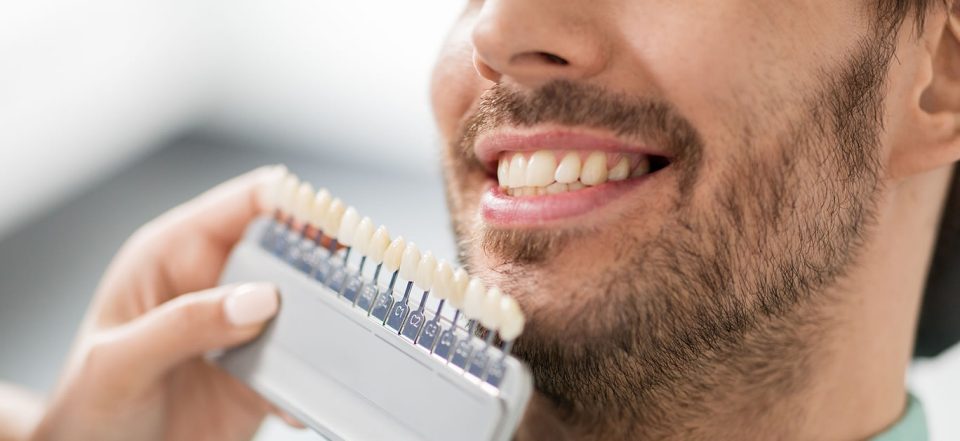
A reference photograph can express a preference without being an achievable treatment target. The teeth in it belong to another mouth, with different shapes, positions, gums and proportions. When comparing cosmetic dentists in London, the useful question is how a preferred feature could translate to your own teeth, what that would involve and where the sensible limits lie. A good discussion can preserve the ambition behind a request while changing the proposed route, narrowing its scope or explaining why no treatment is the appropriate choice.
Understanding the Limits of Cosmetic Dentistry in London
Different treatments change different things. Orthodontics moves teeth; a restoration changes or replaces part of a tooth’s visible structure; whitening changes the colour of natural teeth rather than existing restorative material. None of those descriptions is a complete treatment plan. Each has to be considered against the condition of the teeth and gums, their relationships and the patient’s priorities.
Limits are not necessarily evidence that a clinic lacks an option. They may be the reason an option is inappropriate. The British Orthodontic Society notes limitations in disguising irregularity with crowns or veneers, alongside the irreversible preparation those treatments can involve. A wider range of services is useful when it helps explain alternatives, but it does not make every requested change achievable or sensible.
A Comparison Built Around Clinical Boundaries
These London and Greater London practices were selected for assessment of dental health and function, access to treatments with different mechanisms, and opportunities to discuss or preview a proposed change. The order begins with broad assessment and then considers movement, conservation, functional concerns and physical previews. Those criteria help distinguish an achievable goal from an attractive image. Official service information supports the relevant capabilities; the list does not certify outcomes or imply that every practice would recommend the same treatment. The reader’s examination supplies the facts needed for an individual decision.
Top 8 London Practices for Discussing Realistic Cosmetic Dentistry Goals
- MaryleboneSmileClinic
MaryleboneSmileClinic offers cosmetic dentistry assessment in London across treatments including veneers, bonding and Invisalign. That range is relevant when the patient knows the desired visual change but has not yet established what would need to change clinically.
Begin with the feature you want to alter, then describe anything you want to retain. The treating team can examine whether the concern relates primarily to colour, shape, position or a combination. The answer should determine the options, rather than the name of a treatment selected before the appointment.
A useful explanation also identifies a boundary. If the requested result would require changing more teeth than you intended, understand why and discuss appropriate alternatives. The clinic’s range creates a route for that conversation; it does not make every reference photograph a feasible brief. The patient should leave knowing what the proposed treatment can address and what it is expected to leave unchanged.
- Sensu
Changing a position and covering a surface do different jobs. Sensu discusses orthodontics for healthy crowded teeth in its veneer information, illustrating why a crowded appearance should not automatically lead to a restorative solution.
For the reader, the useful comparison is what each suitable option changes in the actual mouth. Movement may address position while leaving a separate shape concern. A veneer may alter the visible outline while requiring preparation. Neither explanation should be reduced to a claim that one route is always preferable.
Ask the clinician to relate the alternatives to the feature that prompted the enquiry. If an option requires an additional stage, understand its purpose. A realistic plan can contain compromises, but those compromises should be visible before the patient commits to the first procedure.
- Dawood & Tanner
Dawood & Tanner combines conservative veneer planning with broader smile enhancement and restorative assessment. Its use of mock-ups provides a way to discuss a proposed outline before irreversible work, while the wider assessment keeps the tooth’s condition in view.
The conservation question is especially important when the desired appearance seems to require a substantial change. What would have to be removed or added, and what would accepting a smaller cosmetic alteration preserve? These questions do not tell the dentist what to prescribe. They help the patient understand the relationship between the ambition and the intervention.
A physical preview can make that discussion more concrete, but it cannot settle every biological or functional issue. Treat it as one part of the evidence for a decision, alongside examination and an explanation of the proposed work.
- Harley Street Dental Clinic
Harley Street Dental Clinic provides orthodontic, restorative and periodontal services. That range is relevant when the limiting factor in a cosmetic dentistry request lies outside the visible front surface of a tooth.
The clinician may need to consider the supporting tissues, the bite or the role of existing restorations before discussing appearance. A patient does not have to identify the correct discipline in advance. The important point is that any relevant finding is explained and incorporated into the plan.
If several clinicians contribute, ask for a clear account of how their advice fits together. A collection of available services is not yet a coordinated recommendation. The final explanation should state which concern each proposed stage addresses and why an apparently simpler cosmetic change may or may not be appropriate.
- Balham Dental Studio
Balham Dental Studio describes listening to the patient’s wishes alongside a comprehensive examination before cosmetic options are discussed. That combination gives both preference and clinical findings a role without allowing either to stand in for the other.
A wish can be valid even when the originally imagined treatment is unsuitable. The productive conversation asks what part of the goal might still be achievable and what the trade-off would be. Perhaps the patient prefers a limited change, or decides that the required intervention exceeds the value of the improvement to them.
Make those priorities explicit. “I would prefer a smaller improvement if it preserves these teeth” conveys something different from “I want the closest possible match to this photograph”. The dentist still needs to assess suitability, but a clear preference helps make the options meaningful.
- Cosmetic Dentistry Clinic
A design needs to belong in the patient’s face, not only on a close-up image. Cosmetic Dentistry Clinic in South Kensington uses photographs, video and a temporary prototype to consider that context within veneer planning.
The patient can consider whether the design suits the whole smile and whether it expresses the original preference. At the same time, the team should explain what the prototype does not establish. Its material and temporary role mean it is not a complete prediction of the permanent restoration’s appearance or long-term behaviour.
This distinction allows a preview to be useful without becoming a guarantee. If the patient dislikes the proposal, the feedback can refine the discussion. If the patient likes it, the clinical explanation and consent still need to address what is required to produce the agreed result.
- Bespoke Smile
Bespoke Smile offers a physical Trial Smile and both composite and porcelain veneer options. Its London service gives readers a route to explore the relationship between a desired visual change, the extent of coverage and material choice.
An attractive material label does not answer whether the scope is right. Establish which teeth would be treated and why that number is proposed. If the reader’s concern is localised, ask how a limited approach compares with a broader design where both are clinically suitable.
The consultation can then consider maintenance and future decisions alongside appearance. A realistic expectation includes the work involved in having and caring for a restoration, not only the image at the end. The patient may reasonably decide that a smaller change better fits those commitments.
- This Is It Dental
This Is It Dental includes functional bite assessment in its general dental service and offers cosmetic bonding and clear aligners. Its relevance is the opportunity to discuss how a proposed appearance change relates to the way the teeth meet and function.
If the patient reports discomfort or an existing bite concern, that needs assessment rather than being treated as a detail to revisit after cosmetic work. Equally, a digital record or measurement does not, by itself, identify the treatment the patient needs. The findings must be interpreted and explained by the clinician.
The useful outcome is a plan that connects the requested visual change to the examined mouth. Where a limit is identified, the patient should understand its practical effect: what can still be considered, what needs attention first and what would be inappropriate to promise.
Turn an Ideal into a Discussable Goal
Use a reference photograph to point out features, not to demand another person’s teeth. You might like the softened corners, the modest brightness or the way neighbouring teeth differ slightly. Naming those elements gives the clinician a more useful brief than asking for an identical smile.
Add your boundaries. Identify the teeth or features you prefer to preserve, the scale of intervention you are willing to consider and any practical difficulty with treatment or maintenance. Those preferences do not determine suitability, but they help distinguish options that are technically possible from options you would actually choose.
Then ask for the proposed change and its limits to be described together. What is expected to improve? What is likely to remain? Which uncertainties require further assessment? A plan that can answer those questions is easier to judge than a promise built around a single ideal image.
You may accept a compromise, revise the goal or decide against elective treatment. Each can be a considered outcome of the consultation. Realistic cosmetic dentistry gives the patient enough understanding to make that choice before irreversible work begins.
Source note: Official clinic information on cosmetic, orthodontic and restorative services, NHS whitening guidance and British Orthodontic Society patient information informed this comparison. Clinical limits and treatment options depend on individual assessment.
