
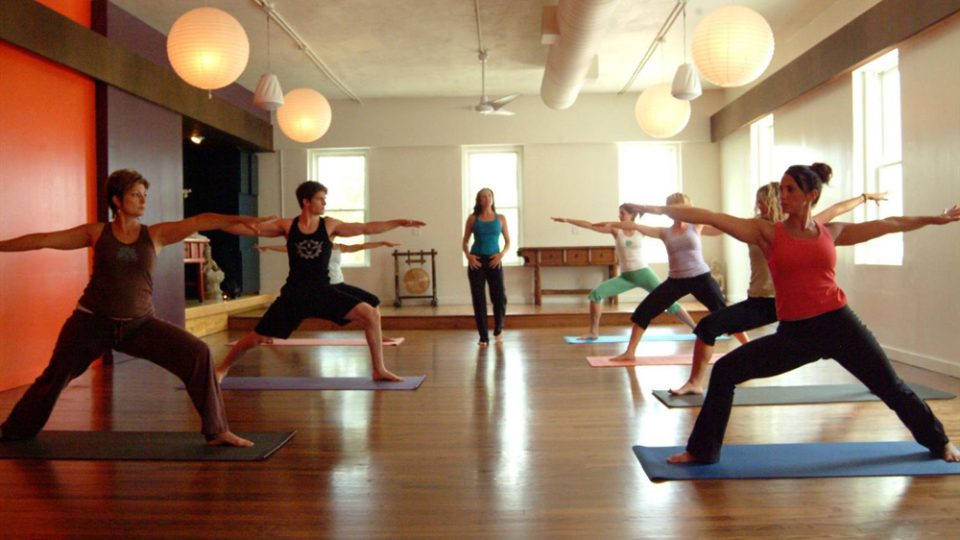
The idea of searching for a yoga studio near me has traditionally meant finding a physical location within easy travelling distance. However, the concept of what “near me” means is changing with the rise of immersive technologies such as virtual reality (VR) and augmented reality (AR). These innovations are transforming the way yoga is practised, taught, and experienced, bringing the studio closer to people in ways that were once unimaginable.
The Evolution of Yoga Practice in the Digital Age
Yoga has always been about connection, whether with the body, breath, or community. As lifestyles get busier and cities become more fast-paced, people are turning to technology to help them maintain balance. Online classes were an early step in this evolution, offering convenience and flexibility. Today, VR and AR are pushing boundaries further by simulating studio-like experiences that feel almost real.
With VR headsets, users can step into a three-dimensional studio space where they are guided by virtual instructors. Unlike traditional videos, these immersive platforms allow practitioners to look around, follow demonstrations from different angles, and feel as though they are part of a real group session.
How Virtual Reality Redefines “Near Me”
The phrase “near me” no longer has to refer only to geographical distance. It now includes accessibility in the digital sense. A person living in a small flat or a busy professional unable to commute daily can still enjoy the benefits of a studio without physically being there.
VR yoga environments replicate everything from the calm lighting and natural ambience to the soothing voice of an instructor. The sense of presence makes it feel like the studio is just around the corner, even if the user is in a completely different country. This accessibility is reshaping expectations of proximity and convenience.
Features of Virtual Yoga Studios
Virtual yoga studios are more than just digital classrooms. They incorporate unique features that enhance the overall practice:
-
360-degree immersion: Users can view the studio in full panoramic mode, mimicking the freedom of moving within a real room.
-
Customisable settings: Change the background to a beach, mountain retreat, or traditional studio depending on mood and preference.
-
Real-time corrections: Some advanced systems integrate AI posture analysis, offering feedback on alignment and technique.
-
Community integration: Participants can join global sessions where avatars represent fellow practitioners, recreating the communal feel of a yoga class.
The Role of Augmented Reality in Yoga
While VR transports users into a new environment, augmented reality overlays digital guidance onto real surroundings. Imagine laying down a mat at home and seeing a virtual instructor appear in the living room. With AR-enabled devices, practitioners can follow step-by-step cues while staying grounded in their own environment.
This blending of digital and physical reality ensures flexibility. For example, beginners can receive posture guidance without feeling self-conscious in front of others, while advanced practitioners can refine alignment using visual aids projected directly into their practice space.
Accessibility and Inclusivity Benefits
Technology-driven yoga experiences are breaking down barriers for people who previously found it difficult to access studios. These groups include:
-
Those with mobility challenges: VR allows them to participate from the safety of their home while still feeling part of a wider yoga community.
-
People in remote areas: No matter how far a person lives from an urban yoga centre, they can still access high-quality instruction.
-
Busy professionals: A session can be joined instantly without travel time, fitting neatly into a packed daily schedule.
By removing geographical and physical limitations, immersive technology ensures yoga is truly inclusive.
Maintaining the Human Touch in Virtual Settings
One concern about technology-driven yoga is the potential loss of human connection. However, many platforms are designed to preserve the essence of community and teacher-student bonds. Interactive features such as live feedback, group classes with real-time communication, and even social spaces after sessions help to keep the practice human-centred.
Yoga is not only about movement but also about collective energy. By thoughtfully designing VR and AR experiences, studios can capture the same sense of shared purpose and belonging found in traditional settings.
How Yoga Studios in Singapore Are Adapting
Singapore is known for its rapid adoption of technology and wellness culture. Many local studios are experimenting with digital tools to expand their reach. For residents searching for a yoga studio near them, it is no longer limited to a physical map search. It now includes evaluating which studios offer hybrid or immersive experiences that fit modern needs.
Studios here are starting to blend in-person classes with VR workshops, giving members options to stay engaged whether they are at home, travelling, or unable to attend physically. This flexibility creates a new layer of loyalty and accessibility.
Setting Up Your Own Virtual Yoga Practice
For individuals curious about exploring VR or AR yoga, setting up is more straightforward than it seems. All that is required is a headset and access to platforms offering immersive classes. For AR, even a smartphone or tablet can be enough to bring digital instructors into the living room.
When setting up a home yoga space, a few key considerations help enhance the immersive experience:
-
Clear floor space to allow free movement.
-
Good lighting to ensure AR overlays display correctly.
-
Stable internet connection for smooth streaming and interaction.
-
Comfortable headset or device positioning to prevent distractions during practice.
By creating an intentional space, practitioners can fully enjoy the merging of traditional yoga with modern technology.
Future of Yoga Studios in a Tech-Driven World
As technology continues to advance, yoga studios are likely to integrate even more sophisticated features. Artificial intelligence will offer detailed corrections, biometric feedback will track progress, and immersive environments will replicate group energy with greater accuracy.
However, it is important to note that technology is not replacing traditional yoga. Instead, it complements it by offering accessibility and convenience to those who might not otherwise participate. In the future, people may seamlessly move between in-studio practice and virtual experiences, enjoying the best of both worlds.
The Role of Community and Physical Studios
Even with all the advancements, physical studios will remain essential. They provide the irreplaceable warmth of human interaction, the grounding of shared space, and the tactile presence of a teacher. Virtual yoga should be seen as an extension, not a replacement.
Organisations such as Yoga Edition are examples of how studios can adapt by balancing traditional practice with new innovations. By embracing technology while holding onto core values of yoga, they set a blueprint for the future.
Frequently Asked Questions (FAQ)
Q1. Do I need expensive equipment to try VR yoga?
No. While high-end VR headsets offer the best experience, even affordable devices or smartphone-based solutions can provide access to immersive yoga classes.
Q2. Can virtual yoga help me if I am a complete beginner?
Yes. Many platforms offer beginner-friendly sessions with step-by-step instructions. Some even use AR to overlay posture guides directly into your space, making it easier to learn without feeling overwhelmed.
Q3. How do I stay motivated without physically being in a studio?
Joining group VR sessions where other participants are present as avatars helps replicate the communal energy. Setting regular practice times and creating a dedicated space at home also reinforces commitment.
Q4. Is VR yoga safe for long-term practice?
As with any physical activity, safety depends on mindful practice. Take regular breaks if using headsets and ensure enough physical space to avoid accidents. VR yoga is generally safe if approached with awareness.
Q5. Can immersive yoga replace my physical studio membership?
It should be seen as a supplement rather than a replacement. Physical studios provide human touch and energy that cannot be fully replicated digitally. Many people enjoy a hybrid approach, using VR for convenience and in-person classes for deeper connection.
