
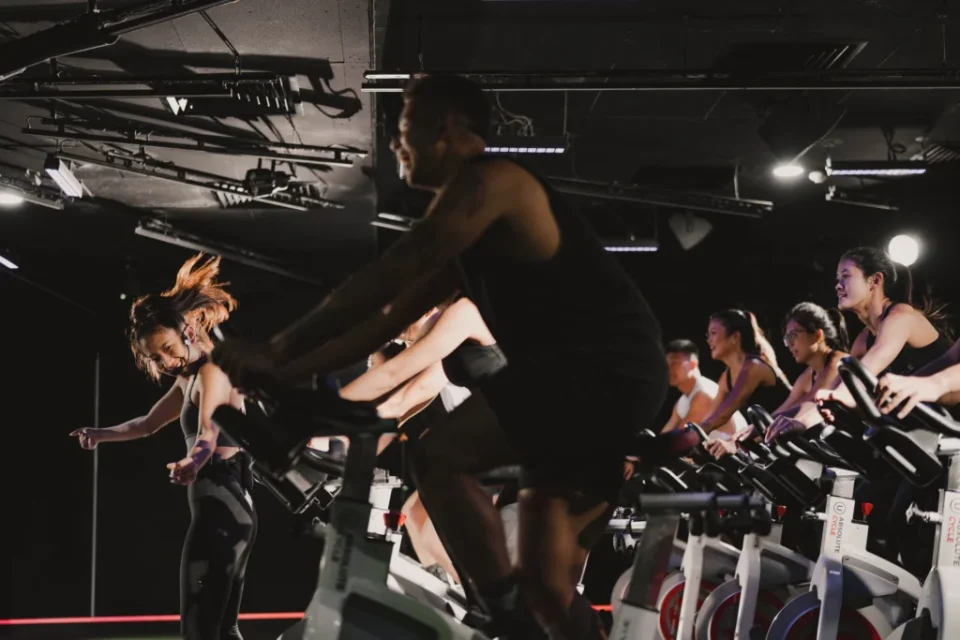
If your schedule runs on MRT timings and meeting blocks, you can still train like an athlete by using short, well planned classes near your stations. Book a class at a convenient spin studio singapore location, design a 30 to 40 minute micro-workout around it, then plug this into your week so you never miss sessions even on packed days. This guide shows you how to time-box rides, warm up on the go, and recover well so you arrive at work focused and energised, not frazzled.
Most office workers in Singapore can carve out two windows on weekdays, either before nine in the morning or between lunch and early evening. With a little structure, three short classes each week can raise aerobic capacity, improve leg strength, and sharpen mood and focus. The key is to reduce friction, plan your transitions, and use the MRT as part of your warm up and cool down.
The commute equation in Singapore, time-boxing sessions to 45 minutes
Commuters do not have the luxury of ninety minute rides. Aim for a 45 minute door to door block, with 30 to 40 minutes on the bike and five to ten minutes for transitions. The trick is to budget every step that sits around the class, so you start on time and finish calm.
Here is a simple time budget that works well for many riders:
-
Walk from MRT platform to studio, two to five minutes depending on station exits.
-
Check in and quick bike setup, three minutes if you pre-saved your fit.
-
Focused ride, 30 to 35 minutes if you choose a condensed class, or the first 30 to 35 minutes of a standard class when the studio allows late finish.
-
Two minute towel down, wipe shoes, grab water, and exit.
-
Walk back to MRT or office, three to five minutes.
Build your route with the following time-savvy habits:
-
Save your bike fit notes on your phone, saddle height number, fore-aft, handlebar setting. This cuts setup time each visit.
-
Book bikes near the exit door if you must leave right on the hour, less weaving, faster exit.
-
Choose classes that publish interval structure in advance. If you know the peak set lands at minute 10 to minute 25, you can prioritise that block when you are tight on time.
-
Pick studios within a three minute walk from an MRT exit you already use. A longer walk eats into your cool down.
If your door to door block is only 40 minutes, you can still benefit. Ask for the coach’s plan before class starts, ride the central work set with focus, then cool down outside the studio with an easy walk back to the station.
Pre-ride warm ups you can do on the platform, dynamic mobility in 4 minutes
Busy riders often skip warm ups. That is a mistake, especially in humid weather. You can prime hips and ankles while waiting for the train, no special kit required. Use this four minute dynamic routine. Perform each move for about 20 to 30 seconds.
-
Ankle rolls and calf pumps, stand tall, lift heels, pulse slowly to wake the calves.
-
Knee hugs to hip openers, alternate legs, draw the knee to chest, then open the hip gently to the side.
-
Hamstring sweeps, one foot forward, heel on the ground, sweep fingertips toward toes as you hinge the hips, keep spine long.
-
Toy soldier taps, straight leg raises with a light toe tap to hand, small range to activate hip flexors.
-
Torso rotations, arms across the chest, rotate gently to each side, keep hips steady.
-
Shoulder circles and band pull apart pattern using a folded towel, open the chest and set the scapulae.
-
Marching steps with short holds, drive one knee up, pause for one count, alternate to engage the core.
-
Deep breaths, in through the nose for four counts, out for six counts to reduce pre-class tension.
On the walk from the MRT to the studio, add ten slow walking lunges if space allows. If you carry a backpack, hold it close to your chest to keep the spine neutral. Arrive at the bike with your hips mobile and heart rate gently elevated, which helps your first interval feel smooth rather than shocking.
AM vs lunch vs evening rides, energy and recovery trade-offs
Your choice of slot should match your weekly energy pattern and your recovery windows. Each option carries clear trade-offs.
Morning rides, the prime focus window
Morning classes suit riders who like stable routines and cooler temperatures. Glycogen is lower after an overnight fast, so power can feel slightly reduced, but focus and mood often improve for the rest of the day.
-
Eat a light snack if you wake hungry, a banana or a small yoghurt. If you prefer to ride fasted, sip a little water and a pinch of salt, then refuel promptly after class.
-
Caffeine can help alertness, take it ten to twenty minutes before you start so it peaks mid-ride.
-
Keep the last three minutes of class for a soft spin so you do not sprint straight into a train queue.
Lunch rides, the mental reset
Midday rides cut stress and can lift productivity for afternoon projects. Heat and humidity are often higher, so airflow matters more.
-
Choose a class with good fan coverage or sit closer to the fan path in the studio.
-
Eat a light, low-fibre meal one to two hours before class to avoid stomach bounce. A bread roll with eggs or tofu, or rice with light protein works well.
-
Rehydrate with at least 500 ml of water in the hour after class, add sodium if you are a salty sweater.
Evening rides, performance and sleep balance
Evenings allow a fuller meal beforehand and can deliver higher power, but they risk pushing bedtime later.
-
Avoid all-out sprint finishes in the last five minutes if you struggle to fall asleep.
-
Choose a down-tempo song for your cooldown, then take a short walk after leaving the studio so your nervous system settles before you board a packed train.
-
If late nights are common in your job, cap evening class intensity to keep your sleep quality steady across the week.
A practical weekly pattern is to anchor one interval session in the morning, one rhythm-endurance ride at lunch, and one mixed ride on an evening you can sleep a little later. This spreads stress and keeps consistent training even when projects flare up.
Locker, shower, and kit planning, zero-friction routines
The fastest commuters think like travellers. Build a small kit that lives in your work bag so you never scramble for items in the morning. Use a checklist until it becomes automatic.
Your commute-fit kit
-
Microfibre towel, dries fast and weighs little.
-
Light shower kit in refillable 50 ml bottles, body wash, shampoo, moisturiser.
-
Small zip bag with deodorant, spare socks, hair ties, blister plasters.
-
Foldable water bottle, refill at the studio and at the office.
-
Plastic or silicone pouch for sweaty gear, leak proof so it does not dampen your laptop sleeve.
-
Compact bike shoes bag, or at least a shoe cloth so your papers stay clean.
Sweat-smart clothing choices
-
Choose technical tops that dry quickly and do not hold odour.
-
Carry a spare base layer if you are heading straight into air conditioning after class to prevent a chill.
-
If your office dress code is formal, keep a blazer and one spare shirt at work so you only carry fresh underlayers each day.
Speed tricks that add up
-
Pre-book the same bike number so setup is identical each visit.
-
Put your phone in aeroplane mode as you enter class to reduce distractions. You can turn it back on during the cool down walk.
-
Pay attention to the studio exit routes. Some doors lead closer to the MRT entrance with fewer steps.
If you like to ride at a studio with strong facilities and clear scheduling, explore TFX Singapore for options that line up with your usual MRT paths. Reliable showers, clear class timetables, and easy check in make a noticeable difference on tight days.
Weekly micro-periodisation for busy professionals
Periodisation means changing training stress across the week so you recover while you improve. You can apply the same idea to short commute-friendly classes. Here is a simple four week template that fits a demanding job. Each ride lasts 30 to 40 minutes on the bike, with a focused warm up and cool down.
Week 1, build the base while you learn the flow
-
Session A, rhythm endurance. After a five minute easy spin, ride two blocks of eight minutes at a steady cadence you can speak in short phrases, then cool down. Aim for smoothness, not hero numbers.
-
Session B, aerobic intervals. Five by two minutes at moderate-hard with two minutes easy between efforts. Stay seated for all reps, focus on cadence control.
-
Session C, free choice ride. Pick a music-led class with rolling resistance that keeps you aerobic, treat this as a mental reset.
Week 2, add controlled intensity
-
Session A, cadence waves. Four by five minutes, first two minutes at a comfortable cadence, next two minutes a little faster, last minute back to comfortable. This improves leg speed without grinding.
-
Session B, short hills. Six by one minute heavier resistance climbs, keep breathing controlled, recover for one minute between reps.
-
Session C, technique ride. Work on bike fit, hand positions, and transitions from seated to standing. Ask the coach for cues that suit your build.
Week 3, your peak week
-
Session A, threshold set. Three by six minutes at comfortably hard, where you can hold form but need focus, with three minutes easy between sets.
-
Session B, sprint microbursts. Ten to fifteen rounds of 20 seconds fast, 40 seconds easy. Keep sprints crisp, not all out. Quality fades if you try to smash every rep.
-
Session C, aerobic flush. A gentle ride to absorb the week. Keep cadence high and resistance light.
Week 4, deload
-
Two easy sessions only, both with short pickups in the middle to keep legs awake. Skip the third ride or keep it as a social spin. The point is to freshen up for the next block.
You can pair this structure with your work calendar. If a major deadline sits in Week 3, push the peak week to the following week and keep intensity moderate for a few extra days. Training is a support for your life, not a stressor.
How to track progress without gadgets
-
Breath talk test, during steady blocks you should speak in short sentences, during harder blocks you should only manage short phrases.
-
Rate of Perceived Exertion, label your sets from one to ten, then look for smoother control over the same ratings across the month.
-
Cadence feel, note how easily you can hold a fast but relaxed spin by Week 3. Fluid cadence is a strong sign of aerobic gains.
What to do when travel disrupts the plan
-
If you are away from your regular studio, keep one short jog or brisk walk on two days, then one hotel bike session if available. You will hold most of your fitness with this light touch.
-
When you return, do one technique ride before you jump back into sprints. Your joints will thank you.
FAQs
Can I replace my whole gym routine with three short spin sessions each week
Spin can drive strong cardio gains and meaningful leg endurance, so three short sessions are a good base for busy periods. To stay balanced, add two five minute strength breaks on non-ride days, for example bodyweight squats, glute bridges, planks, and shoulder taps. This protects joints and posture and keeps you resilient under desk hours. If you want muscle building as a main goal, keep one dedicated strength session at the weekend when you have more time.
How do I handle a sweaty commute after class without carrying a big bag
Plan your transitions. Use a microfibre towel, a light shower kit, and a leak proof pouch for kit. Choose fast drying tops so you can cool down quickly, then put on a fresh base layer before you step into strong air conditioning. Keep one spare formal shirt and a blazer at the office so you only carry small items daily. If your hair holds sweat, a quick rinse and a pocket hair serum will help you look office ready in minutes.
What if I can only book back-row bikes, do I lose out on airflow and coaching
Back rows can be fine if you manage airflow and sightlines. Aim for a seat that sits in the fan path or near a side channel of moving air. Let the coach know you need clear hand signals, most will exaggerate cues when riders sit further back. If music is loud where you sit, move one seat to the side for better clarity without a volume jump. You can still hit targets if you track cadence by feel and keep resistance changes deliberate.
Is a 30 to 40 minute ride enough to improve fitness when I am under stress at work
Yes, provided you show up three times each week and execute with purpose. Use one session for steady rhythm, one for controlled intervals, and one for a mental reset. Keep sleep and hydration consistent, and you will see progress across a month. Short workouts are effective when friction is low and consistency is high.
How should I eat around morning and lunch classes when I do not want to feel heavy
Before morning rides, take a light snack if you wake hungry, such as a banana or a small yoghurt. After class, eat a balanced breakfast with protein, fruit, and a bit of salt to replace sweat. For lunch rides, keep the pre-class meal simple and low in fibre, then rehydrate with water and a pinch of salt. If you sweat heavily, consider a sodium tablet after class to reduce afternoon fatigue.
I am new to clipped-in shoes, is it worth switching for short commute rides
Clipped-in shoes improve power transfer and stability, which helps when classes include fast cadence or standing climbs. The gain is not only in power, it is in smoother technique and reduced foot fatigue. If you change shoes, practise clipping in and out a few times before class so you start relaxed. Keep a light pair of socks in your kit so you always have a dry option if you need to head straight to a meeting.
What is the fastest way to set up my bike when I only have three minutes
Save your saddle height number on your phone. Mark handlebar reach and height on a simple note. When you enter, set saddle height first, then fore-aft, then bars. Check knee angle quickly by placing the ball of your foot on the pedal at six o’clock and ensuring a small bend at the knee. Do one 20 second leg spin to confirm nothing pinches, then you are ready.
How do I prevent post-class slumps in the afternoon
Slumps often come from under-fueling and under-salting. Drink water through the afternoon and include a little sodium, especially if the class was hot. Add a snack with protein and a piece of fruit to stabilise energy. Take a two minute walk break each hour to keep blood flowing. If you train in the evening, avoid energy drinks late in the day so they do not punch a hole in your sleep.
With these commute-smart tactics, your classes become the most reliable part of your week. You will enter meetings calmer, climb stairs without thinking, and see steady progress without sacrificing your time or your focus.
