
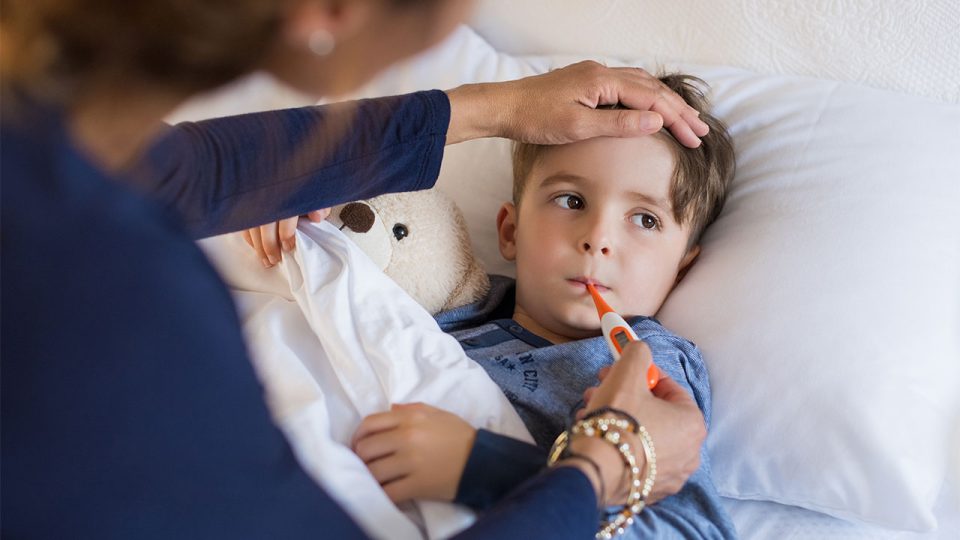
Few things worry parents more than a rising temperature in the middle of the night. When a child feels hot, restless, or unusually quiet, it can trigger anxiety and many questions. Understanding how to manage children fever safely and calmly at night can make a big difference for both the child and the caregiver.
Children’s fever itself is not an illness. It is a natural response that helps the body fight infection. Knowing what to expect and how to respond can help you focus on comfort and safety rather than panic.
Why Fever Often Feels Worse at Night
It is common for a child’s temperature to rise in the evening. Body temperature naturally fluctuates throughout the day and tends to increase in the late afternoon and at night. When a child is lying down quietly, symptoms may also feel more noticeable. Congestion, coughing, and body aches can seem more intense without daytime distractions.
In addition, hormones that regulate inflammation follow a daily rhythm. This can make fever appear higher at night, even if the underlying illness has not worsened. While this pattern is usually normal, monitoring your child’s behavior and overall condition is more important than focusing on a single temperature reading.
What Temperature Is Considered a Fever?
For most children, a temperature of 38°C (100.4°F) or higher is considered a fever.
The method you use to measure temperature matters. Digital thermometers are recommended. For infants, rectal readings are often the most accurate. For older children, oral or underarm measurements may be appropriate depending on age and cooperation.
Keep in mind that the number alone does not determine severity. A child with a moderate fever who is alert, drinking fluids, and responsive may be less concerning than a child with a lower fever who appears lethargic or irritable.
Nighttime Comfort Measures
When managing children’s fever during the night, comfort and hydration are key priorities. Dress your child in lightweight clothing. Avoid heavy blankets, as overheating can raise body temperature further. A light sheet is usually sufficient for comfort.
Encourage small sips of water, oral rehydration solution, or clear fluids. Fever increases fluid loss, and dehydration can make symptoms worse. If your child seems uncomfortable, pediatrician-approved fever-reducing medications such as acetaminophen or ibuprofen may help.
Always follow age-appropriate dosing instructions and avoid giving aspirin to children. A lukewarm sponge bath may provide mild relief, but avoid cold baths or alcohol rubs, which can cause shivering and raise internal temperature.
Should You Wake a Sleeping Child?
Parents often wonder whether they should wake their child to give medication or check their temperature. If your child is sleeping peacefully and breathing comfortably, it is usually okay to let them rest. Sleep supports immune function and recovery.
However, if a healthcare provider has advised scheduled medication or if your child appears unusually restless, breathing rapidly, or sweating heavily, gently check on them. Trust your instincts. If something feels different or concerning, it is appropriate to reassess.
Warning Signs to Watch For
While most fevers are caused by mild viral infections, certain symptoms require medical attention. Seek urgent care if your child:
- Has difficulty breathing
- Experiences persistent vomiting
- Has a seizure
- Shows signs of dehydration, such as very dry mouth or no urination for several hours
- Is unusually drowsy, confused, or difficult to wake
For infants under three months old, any fever should be evaluated promptly by a healthcare professional. In older children, a fever lasting more than three days or repeatedly spiking very high may also warrant medical advice.
Supporting Recovery Beyond the Fever
Fever is often just one symptom of a broader illness such as a cold, flu, or ear infection. While lowering temperature can improve comfort, addressing overall well-being is just as important. Encourage rest during the day. Offer nourishing, easy-to-digest foods if your child feels hungry, but do not force meals.
Maintain a calm environment at bedtime. Soft lighting, quiet reassurance, and gentle check-ins can ease anxiety for both you and your child. Remember that recovery may take a few days. Gradual improvement in energy and appetite is usually a positive sign.
Staying Calm as a Parent
Seeing your child unwell at night can feel overwhelming. However, most fevers are temporary and part of the body’s defense against infection. Keeping a thermometer, proper medication, and emergency contact numbers readily available can help you feel prepared.
Writing down temperature readings and medication times may also reduce confusion during late-night care. Most importantly, observe your child’s behavior. Responsiveness, hydration, and breathing patterns often provide more meaningful information than temperature alone.
Conclusion
Nighttime fevers can be stressful, but they are common in childhood and often manageable at home with attentive care. By focusing on comfort, hydration, and monitoring for warning signs, parents can navigate these situations with greater confidence.
While children’s fever may seem alarming in the quiet hours of the night, understanding what is normal and when to seek help ensures that your child receives the right care at the right time. With preparation and calm observation, nighttime fever care becomes less frightening and more manageable for the whole family.
