
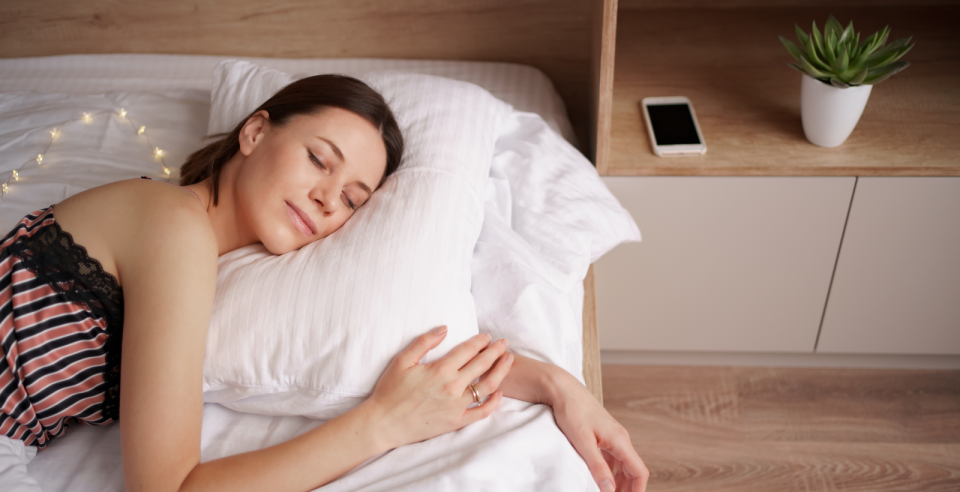
Sleep is a fundamental biological necessity that dictates the quality of human cognitive function, emotional stability, and physical longevity. In a modern landscape defined by high-intensity light exposure and constant digital connectivity, the natural mechanisms of rest are often disrupted. While pharmacological interventions exist, they frequently come with risks of dependency or grogginess. Transitioning toward natural treatment methods provides a sustainable path to restorative rest by aligning the body’s internal systems with its environment.
Optimizing the Circadian Rhythm through Environmental Control
The human body operates on a 24-hour internal clock known as the circadian rhythm. This system is primarily governed by the presence or absence of light. When environmental cues are inconsistent, the brain fails to release the necessary neurochemicals to initiate sleep.
Mastering Light Exposure
Natural light exposure during the morning hours is the most powerful tool for setting the internal clock. Spending at least 20 minutes outside before noon signals to the brain that the day has begun, which sets a countdown for melatonin production later in the evening. Conversely, as night approaches, the elimination of blue light is essential. Blue light, emitted by smartphones, tablets, and LED bulbs, mimics sunlight and suppresses melatonin. Using amber-tinted glasses or dimming lights 90 minutes before bed can significantly reduce sleep latency.
Thermal Regulation of the Bedroom
Temperature plays a decisive role in sleep onset. Biological processes naturally lower the core body temperature as part of the transition into sleep. A bedroom kept between 65 and 68 degrees Fahrenheit is generally considered optimal. When the environment is too warm, the body struggles to shed heat, leading to restlessness and fragmented sleep. Using breathable cotton linens and keeping the feet warm can paradoxically help the core temperature drop more efficiently.
Behavioral Interventions and Stimulus Control
Many sleep issues are not the result of a chemical deficiency but rather a psychological association between the bed and wakefulness. Stimulus control therapy aims to re-establish the bed as a place for sleep and intimacy only.
-
The 20-Minute Rule: If you are unable to fall asleep within 20 minutes, leave the bed. Staying in bed while frustrated teaches the brain that the sleeping environment is a place of anxiety. Move to a different room, engage in a low-stimulation activity like reading a physical book under soft light, and return only when genuine sleepiness occurs.
-
Consistency Across the Week: Maintaining the same wake-up time on weekends as on weekdays prevents social jetlag. A consistent schedule reinforces the sleep-wake cycle, making it easier to fall asleep naturally at the same time each night.
-
Strategic Napping: While a brief power nap of 20 minutes can boost alertness, long naps or those taken after 3:00 PM can diminish the “sleep pressure” required to fall asleep at night.
Nutritional and Herbal Support Systems
The chemistry of sleep is heavily influenced by what is consumed throughout the day. Natural compounds found in plants and minerals can act as gentle catalysts for the nervous system.
Magnesium and Amino Acids
Magnesium is a vital mineral that plays a role in over 300 biochemical reactions, including the regulation of neurotransmitters like GABA, which quiet the nervous system. Many individuals are deficient in magnesium, which can lead to muscle tension and racing thoughts. Consuming magnesium-rich foods like pumpkin seeds, almonds, and leafy greens, or using topical magnesium oils, can promote physical relaxation. Additionally, L-theanine, an amino acid found in green tea, can be taken in supplement form to reduce mental chatter without causing the heavy sedation associated with pharmaceutical aids.
Botanical Infusions and Extracts
Herbal remedies have been utilized for centuries to facilitate rest. Valerian root is one of the most studied herbs for insomnia; it is believed to increase the amount of GABA in the brain. Chamomile, while milder, contains an antioxidant called apigenin that binds to certain receptors in the brain that may promote sleepiness. Tart cherry juice is another natural intervention gaining scientific interest, as it contains high concentrations of phytochemicals and small amounts of melatonin that can improve sleep duration and quality.
Physical Activity and Stress Management
A body that has not been physically exerted often struggles to transition into a state of deep recovery. However, the timing of movement is as critical as the movement itself.
The Role of Aerobic Exercise
Regular aerobic exercise, such as walking, swimming, or cycling, has been shown to increase the amount of deep sleep achieved during the night. Deep sleep is the phase where the body undergoes physical repair and immune system strengthening. To avoid the stimulating effects of adrenaline and increased core temperature, it is best to complete vigorous workouts at least three to four hours before bedtime.
Mindfulness and Deep Breathing
Stress is the primary antagonist of sleep. When the body is in a “fight or flight” state, cortisol levels remain elevated, preventing the onset of rest. Techniques such as Progressive Muscle Relaxation (PMR) involve tensing and then releasing each muscle group in the body, starting from the toes and moving to the head. This physical release signals to the nervous system that there is no immediate threat. Box breathing—inhaling for four seconds, holding for four, exhaling for four, and holding for four—can also manually override the stress response and lower the heart rate.
Dietary Habits and Digestion
What happens in the gut significantly affects the brain. Large, heavy meals late in the evening require significant energy to digest, which can raise the core body temperature and cause discomfort.
-
Limit Stimulants: Caffeine has a half-life of about five to six hours. This means if you drink a cup of coffee at 4:00 PM, half of that caffeine is still in your system at 10:00 PM. Avoiding caffeine after noon is a common recommendation for those sensitive to its effects.
-
Alcohol’s Deceptive Nature: While alcohol may act as a sedative that helps you fall asleep faster, it severely disrupts the architecture of sleep. It prevents the body from entering deep REM cycles and often leads to middle-of-the-night awakenings as the substance is metabolized.
-
The Power of Tryptophan: Including small amounts of tryptophan-containing foods in the evening, such as turkey, bananas, or oats, can provide the raw materials the body needs to synthesize serotonin and melatonin.
Creating a Pre-Sleep Ritual
The transition from the chaos of the day to the stillness of the night should be gradual. A structured pre-sleep ritual acts as a psychological bridge. This might include taking a warm bath, which helps the body cool down rapidly afterward, or journaling to “download” the worries of the day onto paper. By standardizing the 30 to 60 minutes before bed, you signal to your subconscious that the environment is safe and that the demands of productivity have ended.
Frequently Asked Questions
Is it possible to recover from years of poor sleep using only natural methods?
Yes, the brain possesses significant neuroplasticity. By consistently applying stimulus control and circadian alignment, most individuals can retrain their nervous system to recognize and respond to natural sleep cues, even after long periods of chronic disruption.
How does hydration affect sleep quality?
Proper hydration is essential for metabolic processes, but excessive fluid intake in the two hours before bed can lead to nocturia, or waking up to use the bathroom. It is best to hydrate aggressively during the day and taper off in the evening.
Can certain scents in the bedroom actually improve sleep?
Aromatherapy, particularly the use of lavender essential oil, has been shown in clinical settings to lower blood pressure and heart rate. While it is not a cure for insomnia, it serves as a powerful sensory cue that can enhance a relaxation routine.
Does the position in which I sleep impact my rest?
Sleeping on the side is generally considered the most beneficial for respiratory health and brain detoxification via the glymphatic system. Back sleeping can exacerbate snoring or sleep apnea in some individuals, while stomach sleeping often puts undue strain on the neck and spine.
What is the “First Night Effect” and how can I manage it?
This is a phenomenon where sleep is disrupted when staying in a new environment. To counter this naturally, bring a familiar scent or your own pillowcase when traveling to provide the brain with “safety” cues that minimize the hyper-vigilance of sleeping in an unfamiliar place.
Are there any natural ways to stop snoring that don’t involve machines?
Weight management, avoiding alcohol before bed, and sleeping on your side are the most effective natural interventions. Additionally, throat exercises or using nasal strips can help keep the airways open without the need for pharmacological aid.
How long should I try a natural method before deciding if it works?
Biological shifts take time. While some methods like temperature control show immediate results, herbal supplements and schedule changes typically require two to four weeks of consistent application before their full impact on the sleep architecture can be accurately measured.
