
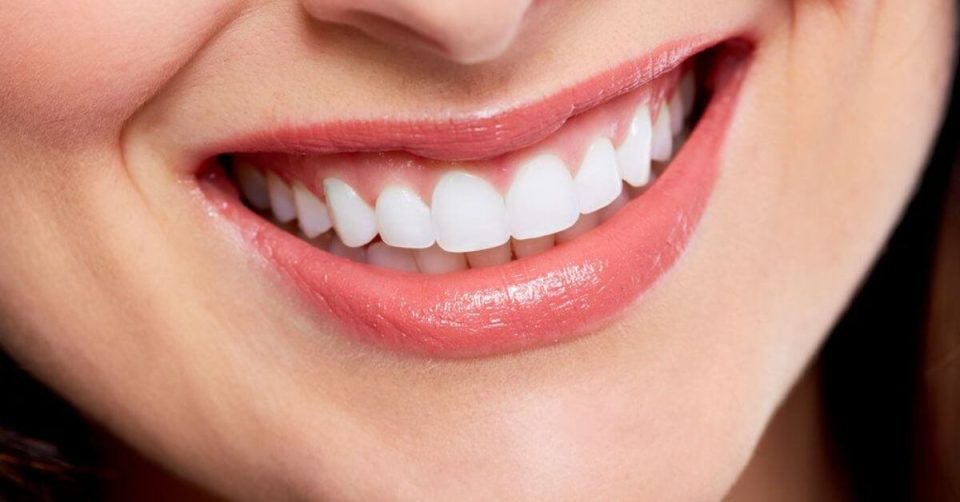
A smile is often the first feature noticed during social interactions, acting as a silent communicator of confidence, health, and vitality. For many individuals, dental imperfections such as discoloration, misalignment, or missing teeth can lead to self-consciousness and a diminished quality of life. Modern cosmetic dentistry has evolved beyond simple aesthetics, integrating advanced materials and digital technology to provide restorations that are as functional as they are beautiful. By understanding the various treatment modalities available, patients can make informed decisions about how to reconstruct their smiles and regain their self-assurance.
The Evolution of Aesthetic Dental Science
Historically, dental procedures were primarily reactive, focused on treating decay and pain. Cosmetic dentistry, however, is a proactive field that combines artistry with clinical precision. The goal is not just to create a perfect set of teeth, but to design a smile that complements the individual’s facial symmetry, skin tone, and lip line. Today’s materials, such as high-grade dental ceramics and composite resins, mimic the light-reflecting properties of natural tooth enamel, making it nearly impossible to distinguish between a restoration and a natural tooth.
Professional Teeth Whitening Systems
One of the most accessible and popular options in smile restoration is professional teeth whitening. While over-the-counter products are widely available, they often lack the concentration of active ingredients necessary for significant transformation.
Professional whitening involves the use of high-concentration peroxide gels, often activated by specialized light or laser technology. This process penetrates the porous enamel to break up deep-seated stains caused by tobacco, coffee, wine, and aging. A clinical whitening session can lighten teeth by several shades in a single hour. For those who prefer a more gradual approach, dentists provide custom-fitted trays that ensure the whitening agent remains in contact with the teeth while protecting the sensitive gum tissue, offering results that are far superior to generic strips.
Porcelain Veneers and Minimal Prep Options
For individuals dealing with multiple aesthetic issues simultaneously, such as chips, gaps, and permanent discoloration, porcelain veneers offer a comprehensive solution. A veneer is a custom-made, wafer-thin shell of medical-grade ceramic that is bonded to the front surface of a tooth.
The process typically requires a small amount of enamel removal to ensure the veneer sits flush with the surrounding teeth. This allows for a total transformation of the tooth’s shape, size, and color. For patients concerned about the removal of natural tooth structure, ultra-thin veneers or “no-prep” options have become increasingly common. These require little to no alteration of the natural tooth, making the process reversible in some instances while still providing a durable and stain-resistant surface that can last for over a decade with proper care.
Dental Bonding for Immediate Corrections
When a patient needs a quick fix for a minor imperfection, dental bonding is often the preferred method. This procedure involves applying a tooth-colored composite resin to the affected area. The dentist meticulously sculpts the resin to fill in chips or close small gaps between teeth.
Once the desired shape is achieved, a high-intensity curing light hardens the material, which is then polished to a natural sheen. Bonding is highly valued because it is typically completed in a single visit and often does not require anesthesia. While composite resin is not as stain-resistant or long-lasting as porcelain, it remains a cost-effective and highly aesthetic tool for refining a smile.
Advanced Tooth Replacement with Dental Implants
Restoring a smile is not always about fixing existing teeth; sometimes, it involves replacing missing ones. Dental implants are widely considered the gold standard for tooth replacement because they address the issue from the root up.
A dental implant consists of a titanium post that is surgically placed into the jawbone, where it undergoes a process called osseointegration. This means the bone actually grows around the post, creating a stable foundation similar to a natural tooth root. Once healed, a custom-crafted porcelain crown is attached. Unlike bridges, implants do not require the alteration of neighboring healthy teeth. Furthermore, the presence of the implant stimulates the jawbone, preventing the bone loss and facial sagging that often accompany missing teeth.
Clear Aligner Therapy and Adult Orthodontics
Misalignment is a significant barrier to a confident smile. While traditional metal braces are effective, many adults avoid them due to their appearance and the lifestyle restrictions they impose. Clear aligner technology has revolutionized this aspect of cosmetic dentistry.
Using 3D digital imaging, a series of transparent, removable trays are created to gradually shift the teeth into the desired position. These aligners are virtually invisible and can be removed for eating and oral hygiene. This allows for orthodontic correction without the discomfort of wires and brackets. Properly aligned teeth are not only more attractive but are also easier to clean, which reduces the risk of periodontal disease and future dental complications.
Full Mouth Reconstruction and Smile Makeovers
In cases where a patient suffers from extensive dental wear, multiple missing teeth, or severe decay, a single procedure may not be enough. This is where a comprehensive smile makeover or full mouth reconstruction comes into play.
This process begins with a detailed consultation and digital smile design, where the dentist and patient map out the desired end result. The treatment plan may include a combination of crowns, veneers, implants, and gum contouring. Gum contouring, often performed with a soft-tissue laser, reshapes an uneven or “gummy” smile to create a more balanced and symmetrical appearance. By treating the mouth as a whole system, the dentist ensures that the new smile is balanced with the patient’s bite and jaw function, leading to a result that is both beautiful and sustainable.
Maintaining the Investment
The longevity of cosmetic restorations depends heavily on the patient’s commitment to oral hygiene. Even the most advanced porcelain veneer or dental implant requires a healthy foundation of gum tissue. Regular professional cleanings, the use of non-abrasive toothpastes, and wearing a nightguard if the patient tends to grind their teeth are essential steps in protecting a restored smile. When maintained correctly, modern cosmetic treatments can provide a lifetime of confidence.
Frequently Asked Questions
Does cosmetic dentistry hurt during or after the procedures?
Most cosmetic procedures are minimally invasive and are performed under local anesthesia to ensure comfort. While some patients may experience mild sensitivity following teeth whitening or enamel preparation for veneers, this is usually temporary and can be managed with over-the-counter pain relief.
How do I know if I am a better candidate for bonding or veneers?
Bonding is generally best for minor, isolated corrections like a small chip or one gap. Veneers are a more permanent and durable solution for patients who want to change the appearance of multiple teeth or who have deep stains that do not respond to whitening.
Will my insurance cover the cost of a smile restoration?
Most dental insurance plans categorize cosmetic procedures as elective, meaning they are not typically covered. However, if a procedure also provides a restorative benefit, such as a crown used to strengthen a decayed tooth or an implant for a missing tooth, partial coverage may be available.
How long do porcelain veneers actually last?
On average, porcelain veneers last between 10 and 15 years. Their lifespan can be extended significantly with excellent oral hygiene and by avoiding habits such as biting on hard objects like ice or using teeth as tools to open packaging.
Can I get cosmetic work done if I have existing gum disease?
No, any underlying health issues like gum disease or tooth decay must be treated before cosmetic work begins. A stable and healthy foundation is necessary to ensure the success and longevity of aesthetic restorations.
Is there an age limit for dental implants or clear aligners?
There is no upper age limit for these procedures as long as the patient has sufficient bone density and good overall health. Many seniors successfully undergo smile restorations to improve their ability to chew and their social confidence.
How do I prevent my new restorations from staining?
Porcelain is highly resistant to staining, much more so than natural enamel. However, composite resin used in bonding can stain over time. To keep your smile bright, it is recommended to rinse your mouth with water after consuming dark liquids and to avoid tobacco products entirely.
